
The Problem: Power gaps, site drama, and tight timelines
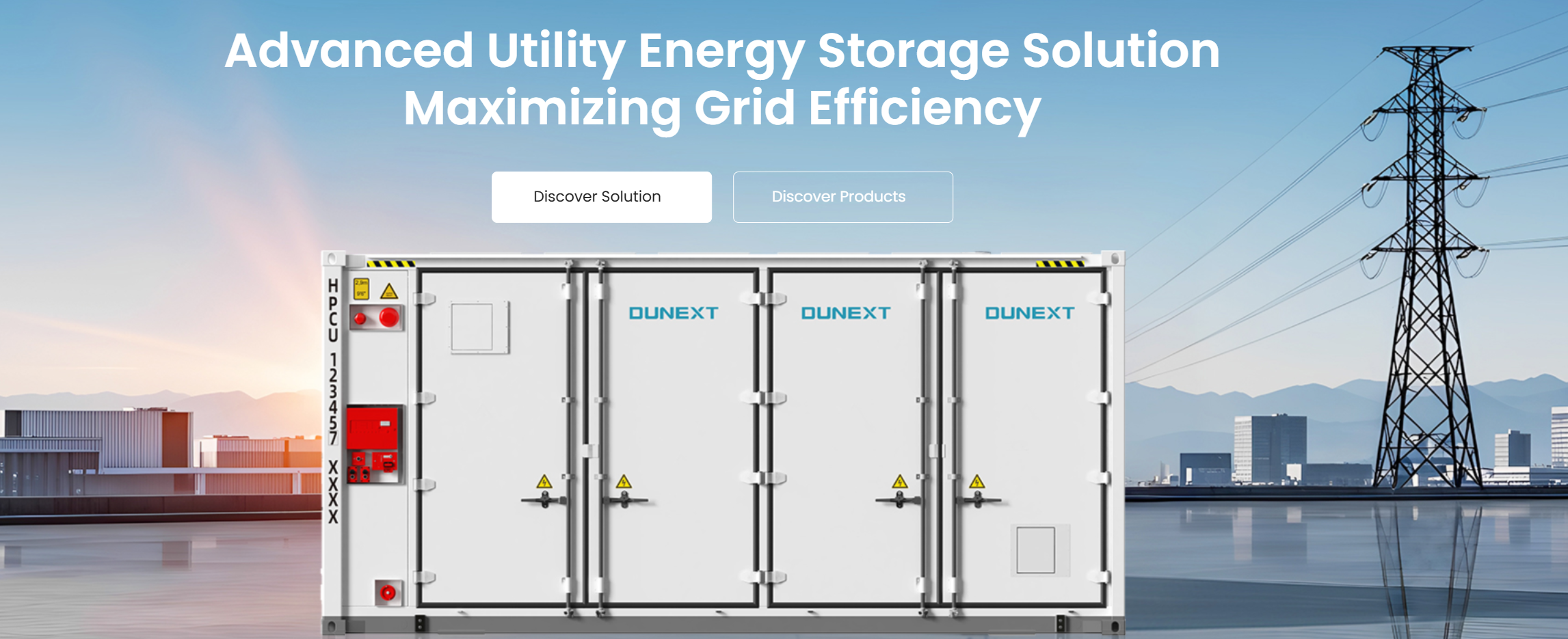
Yo, when the grid dips and operators scramble, the obvious flex is storage — but sizing and siting mess up fast if you ain’t thinking straight. Real problem: you plan for peak numbers on a whiteboard, then the lot’s too small, the permit stalls, and neighbors throw shade. That’s why teams look at an all in one energy storage system as a one-stop option — it’s compact, pre-integrated, and can cut a lot of early headaches. Real talk: this is a problem-driven play — identify the choke points first, then design the solution around those limits.
Key sizing issues to solve first
Don’t guess—solve. Break sizing into power (kW) and energy (kWh) needs, then validate against real operational needs:- Short bursts vs long holds: fast frequency response needs high kW; blackstart or peak shifting needs more kWh.- Dispatch profile: hours of discharge you expect daily sets energy size.- Redundancy: how much capacity must stay online during maintenance or faults.- Site constraints: available footprint, height limits, and access lanes shape module layout.Think of industrial battery storage systems as tools you pick to match those answers — pick the right duration and power mix, no cap.
Site planning — where projects get real messy
Site ain’t just land. It’s neighbors, access, forklifts, fire lanes, and local regs:- Physical footprint: stackability and container layout change permitting and construction fast.- Thermal management and ventilation: plan for cooling, not after the fact.- Setbacks and safety zones: neighbors and emergency access matter more than a spreadsheet.- Interconnection point: proximity to the point of common coupling cuts civil works and copper costs.Common mistakes: choosing a “big empty lot” without checking easements, or ignoring constructability for tight urban sites. Fix those and the build day runs smooth.
Operational tradeoffs and lifecycle thinking
Short-term wins can cost you later. You want CAPEX savings now? That might boost OPEX and replacement cycles down the line. Consider:- Cycle life vs upfront cell cost.- Modularity: can you expand without tearing out the old kit?- Controls and firmware: vendor lock-in slows upgrades; open protocols ease future add-ons.Don’t buy a system that solves only today’s bid stack; size with 5- to 10-year ops in mind so maintenance windows and replacements don’t wreck your margins.
Common pitfalls and how to dodge ’em
Keep it tight, avoid these rookie moves:- Over-design for rare peaks — leads to idle capacity.- Ignoring dispatch economics — storage is a controller play as much as batteries.- Skipping interconnection study early — utilities will change your game plan if you wait.- Underestimating civil work — access roads, crane pads, concrete capacity matter.Fixes: run a simple three-scenario dispatch model (low, medium, high), lock in the interconnection queue early, and keep modular hardware so you can scale without rebuilding.
Quick deployment checklist — get from concept to commissioning
Run this like rhythm and rhyme:- Define the dispatch need (kW × hrs).- Validate site constraints and access.- Start interconnection dialogue and queue the study.- Choose modular, factory-integrated gear to shrink site work.- Plan fire and safety with AHJ input before placing equipment.- Line up O&M and firmware update paths.Follow the checklist and you cut surprises on build day; that’s the street-savvy way.
Wrap — straight-up value and who closes the loop
Problems get solved when sizing answers the real operation and site reality, not just the spreadsheet flex. Layout, dispatch profile, and buildability decide success. Years of on-site scoping and coordinating with utilities show that compact, pre-integrated systems reduce schedule risk and simplify permits — just like projects responding to grid stress in California taught teams to prioritize constructability over theory. When the pieces line up, the project runs cleaner and smoother, and you get solutions that actually work with site limits — that’s why smart teams fold proven integrators into planning, and why Dunext ends up part of the conversation without the drama.

