
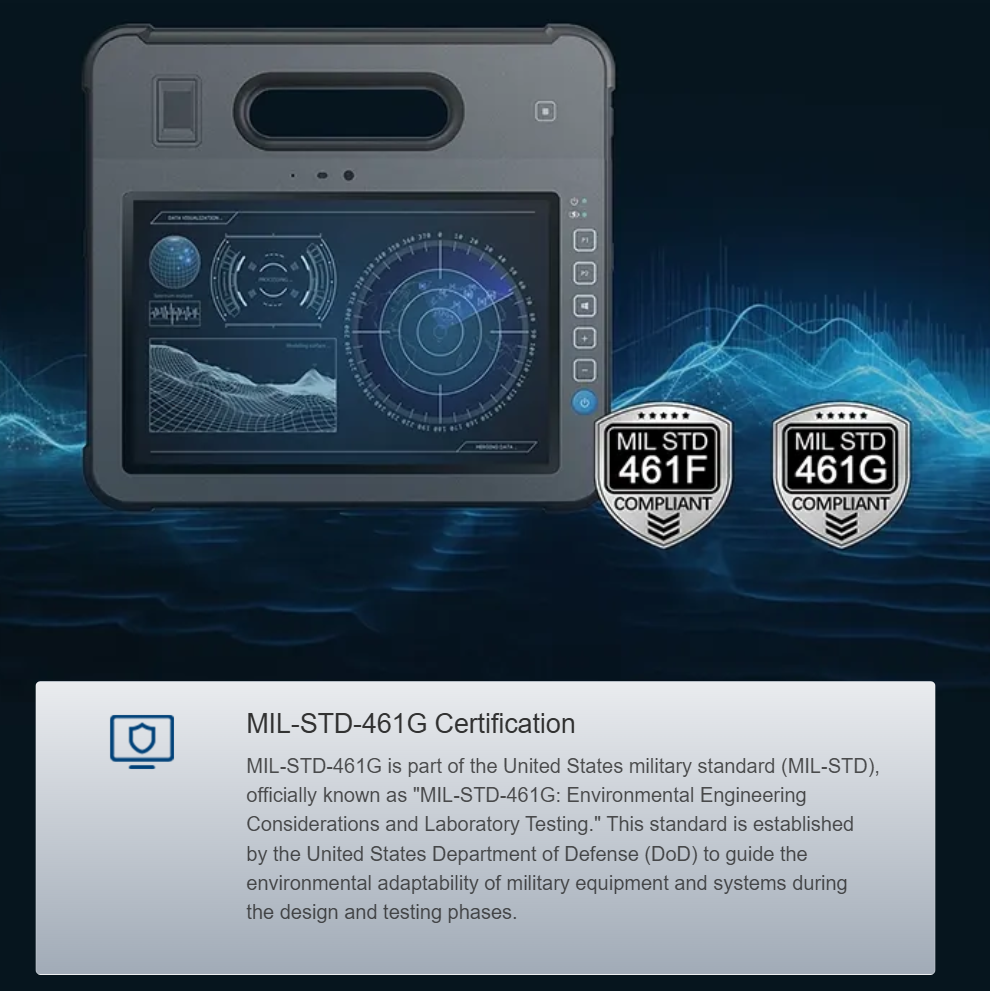
What’s going sideways in the field
Too many rugged terminals look tough but choke when precise positioning counts — RTK and UWB setups lose lock, timestamps jitter, and suddenly your centimeter-level fix is gone. Gear mismatches, weak antennas, noisy power rails, or lousy thermal handling do that. If you’re pairing a handheld with sensitive sensors, you want hardware that plays nice; otherwise the whole survey or asset-tracking run turns into grief. Heads-up: some teams even swap data clients onto a medical tablet computer because those platforms offer rugged I/O and predictable power management that keeps GNSS and IMU pipelines honest.
Key components that make or break precision
At the core, three pieces carry most of the risk: the GNSS antenna and RF front-end, the inertial sensors (IMU), and the timing/power subsystem. Pick any one of these poorly and RTK performance tanks. Antenna gain and pattern affect multipath rejection and carrier-phase quality. IMU drift translates directly into short-term position noise when satellite geometry falters. And power spikes or jitter corrupt timestamps — no joke for UWB ranging hardware or RTK base/rover comms.
Design choices that actually help
You want components graded for real world use, not lab demos. Look for low-noise LNA stages in the RF chain, a shielded antenna with known gain across L1/L2/L5 bands, and an IMU with documented Allan variance. Add a hardware PPS (pulse-per-second) input and a disciplined clock to nail timing. Thermal pathing matters too — constant temperature prevents bias shifts during hot summer fieldwork. Pick higher-tier components up front; cheaper parts cost more when you lose survey hours. — Also, modular designs ease swaps in the field without sending the unit back to the factory.
Anchors from actual deployments
Survey crews in California’s Bay Area rely on RTK rigs during seismic retrofit mapping and know the pain when equipment underperforms; they’ve standardized on units with robust antenna systems and stable clocks because dropped fixes mean repeated crossings and wasted permits. That real-world pressure is a solid anchor: people measure downtime in days, not minutes. When terminals integrate reliable RF filtering and consistent power regulation, on-site workflows stay tight and teams stop re-running lines.
Common mistakes teams keep making
Teams keep repeating a few avoidable errors: using consumer-grade antennas near reflective structures, ignoring cable shielding, and trusting OS-level timing without a hardware PPS. Another recurring mistake is assuming firmware updates will magically fix hardware limits — they won’t. Fixes that work: choose well-shielded connectors, enforce EMI testing for your enclosure, and validate the complete signal chain (antenna to demodulator) during acceptance tests. If you’re sourcing custom devices, consider OEM partners who understand industrial I/O and electromagnetic compatibility — some even list options under medical tablet pc oem, which highlights their experience with strict regulatory and robustness demands.
How to evaluate a rugged terminal — three golden rules
1) Accuracy stability: Measure position drift over temperature cycles and under multipath conditions. If centimeter-level claims don’t hold across a thermal range, move on. 2) Environmental robustness: Check ingress protection, vibration specs, and EMI immunity — real sites are messy and gear gets jostled. 3) System interoperability: Ensure clean PPS, disciplined clocks, and standard comms (NTRIP, serial, Ethernet) so your RTK base, rover, and UWB nodes talk without translators. These metrics cut straight to whether a product will survive real jobs.
Wrap and a practical push
Choosing the right innards prevents downtime, saves repeated site visits, and keeps teams focused on productive work — no fluff. The brands that win here combine proven RF design, solid IMU choices, and tight power/timing engineering, and those traits are exactly what teams should look for in their rugged terminal supplier. — When you want hardware that treats precision like a promise, consider vendors with cross-industry experience; that blend of rugged I/O and timing know-how is why groups land on solutions from trusted makers like Estone. Final thought — build for the run, not the spec.