
Start with what you want
You want your solar, battery, EV charger and thermostat to act as one unit that shrinks bills, keeps lights on during outages and removes guesswork. A home energy management system (HEMS) is the conductor that makes those parts play together. I’ve installed and validated systems while working with a solar inverter manufacturer and a renewable energy company in California, so I speak from hands-on field testing and real deployments.
What a HEMS actually does for you
A HEMS turns separate devices into a coordinated system: it schedules charging and discharging, limits peak draw to avoid demand charges, directs solar to the highest-value loads, and switches to battery backup when the grid drops. You get predictable bills, less waste, and automatic resilience — not dashboards full of confusing charts.
How it communicates and makes decisions
HEMS links to inverters, batteries, meters and smart loads through standard interfaces and local intelligence. Expect device-level connections (Modbus, MQTT, simple REST APIs), home networks (Wi‑Fi, Zigbee) and edge controllers that act without cloud latency. That mix lets the system balance immediate needs — like a fridge during an outage — while following longer goals, such as maximizing self-consumption or meeting a time-of-use price window.
Real benefits you’ll notice
Quick wins homeowners report: lower daytime export when net metering is limited; reduced peak charges during hot afternoons; smoother EV charging overnight; automatic backup for selected circuits; and simpler billing reconciliation because the HEMS tags where energy came from and where it went.
Common mistakes to avoid
Don’t assume all hardware is plug-and-play. Frequent errors: pairing incompatible inverter firmware; undersizing the battery relative to critical loads; skipping secure network configuration; and leaving commissioning to a single quick test instead of multi-day verification. These create surprises — poor performance or untrusted automation — not solutions.
When simpler options make sense
If your goal is a single narrow outcome — say, a basic backup for a sump pump — a standalone inverter or a manual transfer switch can be cheaper and faster. Full HEMS pays off when you want continuous optimization across solar, storage and flexible loads, or when you expect time-varying rates to affect your monthly cost.
Practical steps to get it right
Start by listing must-have loads and peak hours, then map circuits and verify inverter/battery compatibility. Choose a HEMS that supports local autonomy and staged rollouts, insist on firmware update paths and secure network design, and demand a commissioning window that tests real use patterns for several days. That sequence gives you measurable outcomes, not promises.
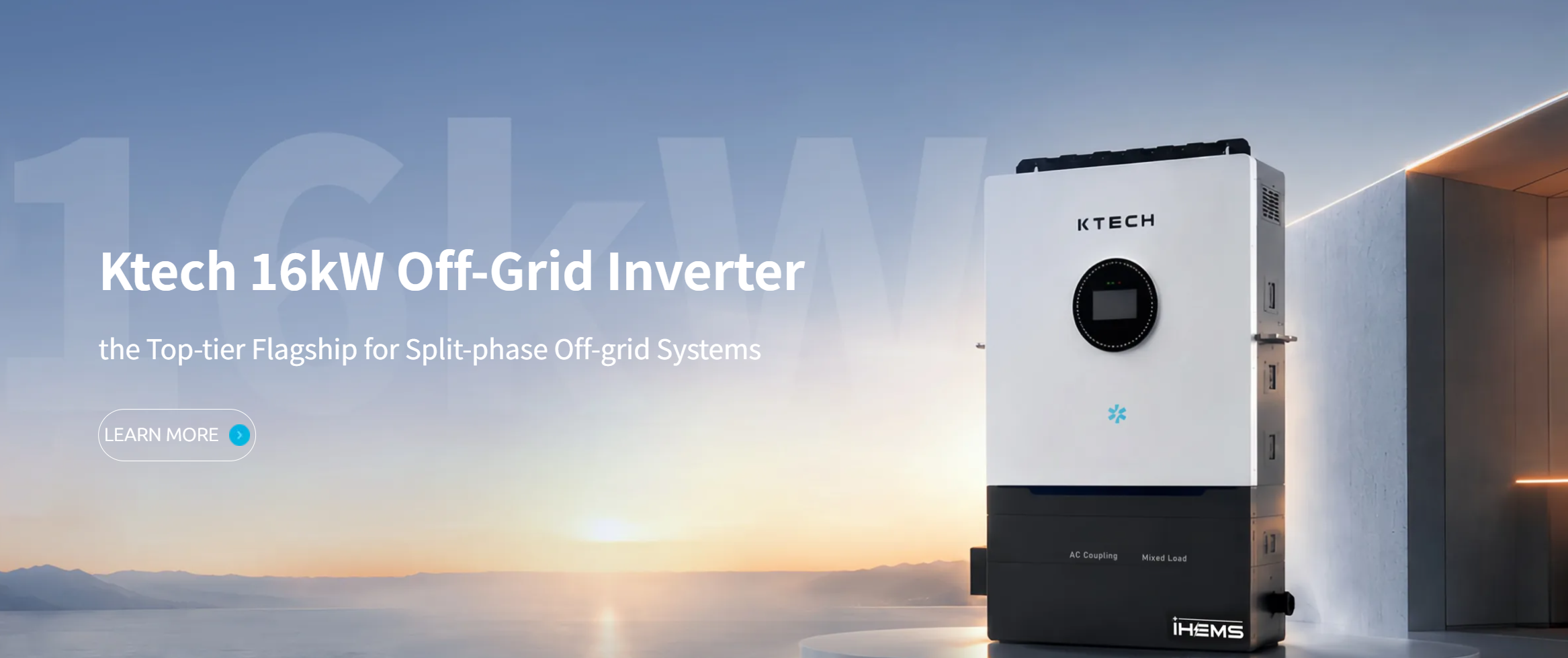
Trusted installers I’ve worked alongside build systems to those exact standards; they pair clear requirements with tested hardware so the house behaves predictably — and that’s the kind of workmanship you find from teams like Ktech.

