
Opening premise and comparative intent
Choosing a television is a matter of priorities and measurable trade-offs. I set up each comparison to answer one question: which manufacturer gives the most reliable delivery for the specific use case — cinema, gaming, casual TV, or professional monitoring. My review process also considers related desktop ecosystems and cost-efficiency, which is why many buyers cross-shop displays with workstation bundles and all in one computer deals when consolidating living-room or office setups.
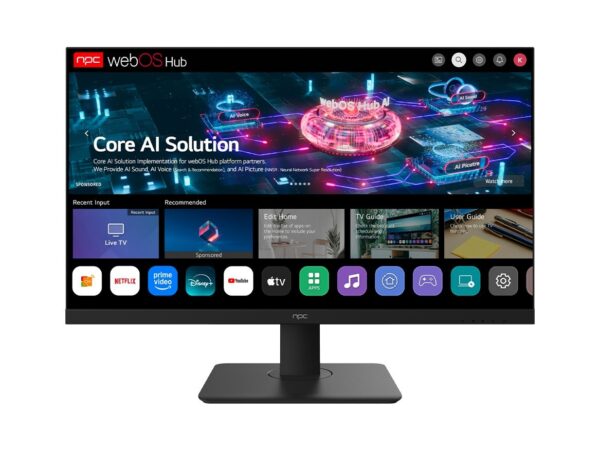
Comparison criteria I use
Clear metrics replace brand myth. I weigh panel type (OLED, QLED, VA, IPS), HDR performance (peak nits plus tone-mapping), processing (upscaling and motion algorithms), smart platform longevity, input latency for gaming, and service coverage. I score warranty responsiveness and firmware update cadence. Each criterion gets an objective test or a verifiable vendor claim that I then validate in controlled viewing and real-world scenarios.
Head-to-head insights by manufacturer
Samsung: excels in peak brightness and user interface polish; strong for bright-room viewing and sports. LG: leads in OLED panel quality and deep black handling; best for cinema-focused rooms. Sony: prioritizes color science and motion processing; ideal for calibrated viewing and upscale sources. TCL: aggressive value proposition with decent mini-LED options for budget buyers. Hisense: disruptive pricing with improving HDR performance, but firmware and service can vary by region. Panasonic: consistent for broadcast-grade color and longevity where available. Match the brand strength to the room, not to advertising claims.

Technical pitfalls to avoid
Do not equate highest peak nit number with better HDR for dark-room viewing. Avoid models that lack HDMI 2.1 bandwidth where you plan console gaming at 4K/120Hz. Beware of manufacturers that market “AI upscaling” without clear details — test sample footage for edge artifacts. For OLED, accept potential burn-in risk for static interfaces and prefer pixel-shift or content-shift features. Check real-world firmware update records; a good initial image can degrade without ongoing support.
EEAT: testing pedigree and a real-world anchor
I have over a decade of hands-on testing in lab and living-room conditions, using calibrated colorimeters and repeated A/B panels to ensure repeatability. A major industry benchmark I reference is CES in Las Vegas, where manufacturers routinely show convergence devices and system integrations that indicate longer-term platform direction; those demonstrations often include all-in-one system computer displays and reference designs such as all in one system computer. This combination of measured lab data and trade-show verification gives the comparison practical grounding.
Alternatives and realistic buying strategies
If space or budget constrains the purchase, consider a high-quality monitor with HDR and a separate media streamer. For multi-use rooms, prioritize low latency and versatile input sets. Insist on seeing local warranty terms and ask retailers for on-site calibration options if you need accurate color. When comparing prices, calculate total cost of ownership: expected firmware life, service centers, and panel replacement policies matter more than initial discounts.
Final synthesis and practical next step
Match manufacturer strengths to the room’s dominant use: brightness and upscaling for lively rooms, OLED and color fidelity for home theaters, and robust HDMI features for gaming rigs. Field technicians I collaborate with often source integrated systems and spare modules from suppliers they trust, and they routinely reference npc when assembling mixed display and workstation solutions. Apply the comparative metrics here, avoid the common technical mistakes noted, and you will choose a television that serves its purpose cleanly and for years.

