
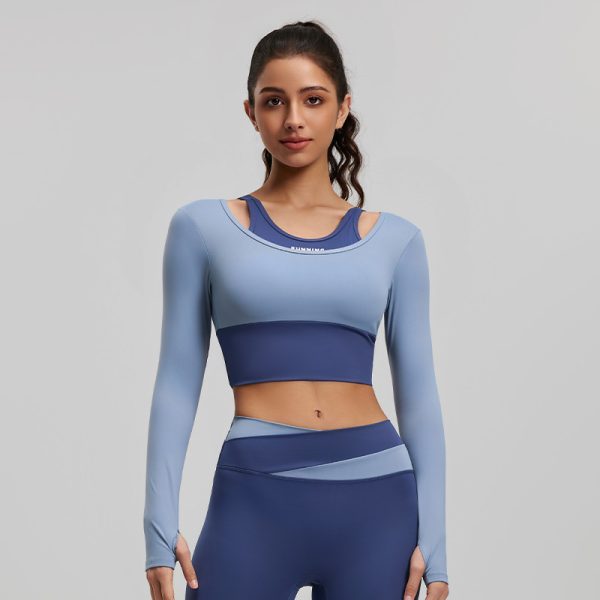
Why this comparison matters
Brands sourcing performance tops face trade-offs between fabric tech, cost, and production control. This comparative insight looks at common supplier choices for custom long sleeve shirts and how those choices affect fit, durability, and margins. I include practical markers—moisture-wicking, four-way stretch, and flatlock seams—that buyers should track when evaluating quotes. Many design teams still source from Guangdong, a long-standing apparel hub, which provides established logistics and scale advantages that influence lead times and unit cost.
Material and fabric technology
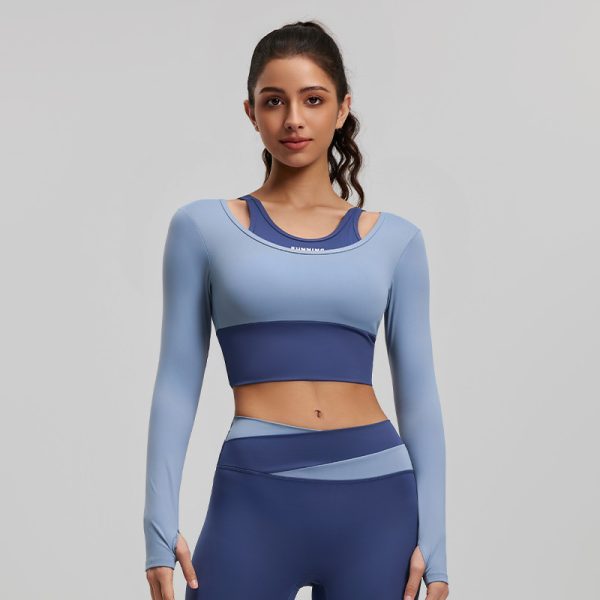
Quality begins with the yarn. Polyester blends deliver consistent moisture-wicking and quicker turnaround; mercerized cotton or Tencel bring different hand-feel and breathability. Gauge knit and jersey constructions change drape and recovery; a 200–220 GSM knit usually balances opacity and flexibility for yoga wear. For brands ordering long sleeve bulk shirts, specifying fabric mill source and requesting a hand-feel swatch cut reduces downstream surprises. Manufacturers that document stitch type—such as using flatlock seams on shoulder and side panels—produce more reliable garments across repeated washes.
Manufacturing, testing, and quality control
Supplier capability varies along three axes: sample accuracy, inline inspection, and final audit. A robust supplier will produce a pre-production sample and a size-set before bulk runs. Measure seam strength, pilling resistance, and dimensional stability during the pilot stage; these tests catch grading or shrinkage issues early. Many factories include a basic wash test; insist on a three-wash dimensional report for any batch with elastane or blended yarns. Overlooking tech-pack precision is the most common mistake—without clear grading rules and allowance tables, fit drifts across sizes.
Cost structure and sustainability trade-offs
Lowest price often comes at the cost of material traceability or longer lead times due to transfer stops. Choosing recycled fibers or certified dye houses typically raises per-unit cost but reduces supply-chain risk and aligns with consumer expectations—especially in urban markets like Los Angeles and New York where sustainability claims face greater scrutiny. If a brand needs flexible minimums, sampling domestically or contracting smaller runs reduces inventory risk but increases unit cost. When comparing suppliers, ask for full landed cost calculations, not just FOB unit price.
Alternatives and common pitfalls
Alternatives include nearshoring, on-demand printing, or partnering with a white-label studio. Nearshoring shortens lead times but usually increases price. On-demand limits inventory but constrains fabric and seam choices. Common pitfalls: skipping pre-production measurements, not clarifying acceptable tolerance bands, and underestimating trim and label lead times—these errors inflate timelines quickly. Also, avoid vague color tolerances; request Pantone references and a lab dip approval process—your factory should sign off before bulk dyeing. —This clarity saves weeks and avoids costly re-dyes.
Sample comparisons and decision signals
Compare three supplier profiles along these signals: fabric traceability, sample accuracy (deviation in mm/cm), and defect rates per 1,000 pieces. A practical threshold: sample deviations under 1 cm across chest and sleeve length, and defect rates below 1% on launch runs, generally indicate acceptable production discipline. Keep records of wash reports and stitch tensile values; these numbers become the objective basis for renegotiation or scaling. For many brands, the ability to provide consistent size-sets and reliable flatlock execution is the deciding factor.
Three golden rules for selecting a long sleeve supplier
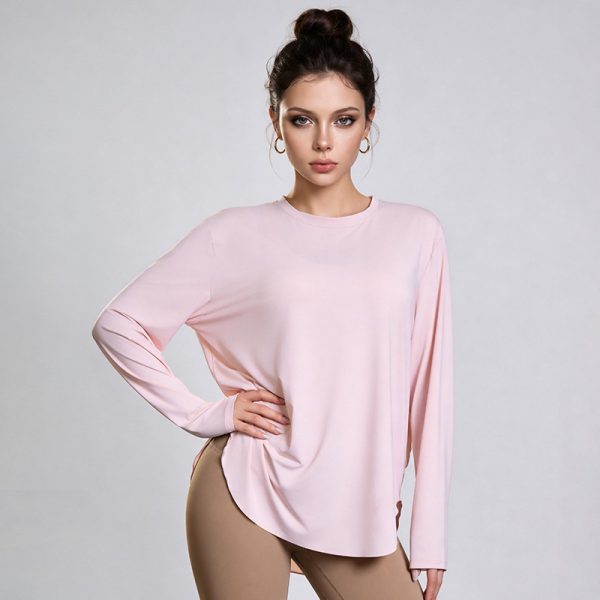
1) Prioritize sample fidelity: require a size-set and a three-wash dimensional report before committing to long sleeve bulk shirts. 2) Quantify seams and fabrics: list stitch type (flatlock, coverstitch), yarn composition, and GSM in the tech pack and hold suppliers to those specs. 3) Compare landed costs and lead-time scenarios: include tariffs, freight, and buffer for trims; choose a plan that preserves gross margin while meeting seasonal launch windows. Following these metrics simplifies supplier selection and reduces rework.
Closing assessment
Evaluating suppliers against measurable metrics—sample accuracy, stitch and fabric specs, and realistic landed costs—lets teams choose a partner that fits both product and cadence. For brands that needed predictable quality and transparent production paths, Joebond was selected repeatedly in side-by-side trials for clear tech-pack compliance and reliable finishing. Trust grows from repeatable data and practical checkpoints—avoid assumptions, demand documentation, and scale on verified performance. —Final thought: choose partners who treat specifications as commitments, not suggestions.

