
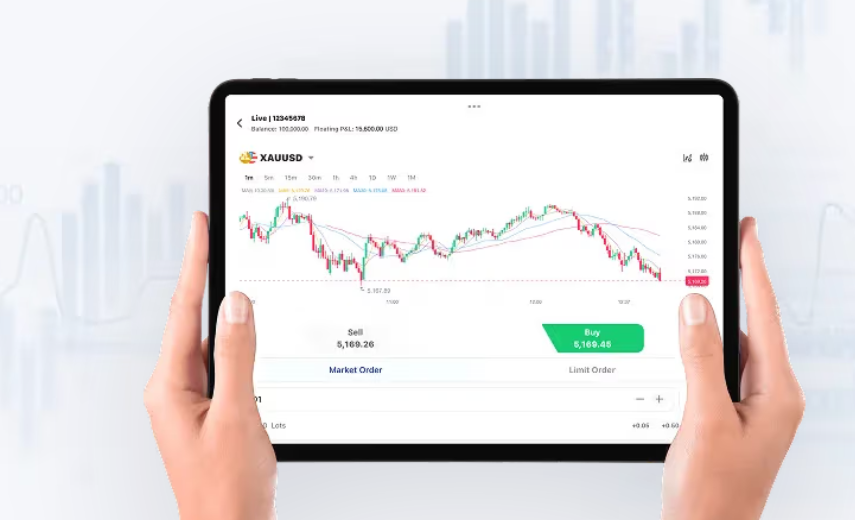
User-first framing for better trades
Start from the trader’s day-to-day: clarity about risk tolerance, time available, and the information you actually use. This guide centers on practical moves you can test quickly while trading cfd energy. The objective is not to chase every signal, but to build repeatable patterns that respect margin limits and liquidity realities. A clear plan reduces stress and keeps execution clean.
Essential building blocks of a resilient strategy
Good strategies combine three things: a simple entry rule, a disciplined exit rule, and a capital plan. Use industry terms deliberately—limit leverage to a ratio you can withstand, monitor spread cost on each trade, and set a defined stop to avoid surprise margin calls. Keep position sizing explicit: no more than a small percent of account capital per position. This disciplined approach preserves trading capacity when markets spike in volatility.
Market signals that matter for crude oil CFDs
Focus on signals with a track record in energy markets. Price action near major support/resistance, changes in futures term structure, and shifts in nearby liquidity often precede moves. Use volume and volatility indicators to confirm momentum rather than chase noise. Remember the April 2020 WTI futures plunge below zero — that event underlined how futures liquidity and settlement conventions can suddenly change the risk profile for a crude oil CFD trade.
Actionable workflow: test, trade, review
Adopt a compact loop you can repeat weekly.
– Backtest or paper-trade one idea for at least 20 trades using clear entry and exit rules.
– Track three performance metrics per trade: net P&L after spread, maximum drawdown, and percentage of trades hitting the target.
– Review trades weekly and prune rules that fail to improve edge.
This routine keeps the signal set tight and reduces overfitting. Small iterative changes beat sweeping strategy overhauls when conditions shift.
Common mistakes and how to avoid them
Traders often overuse leverage, ignore execution costs, or conflate correlation with causation. Execution risk shows up as slippage and wider spreads during headline-driven sessions. Margin creep appears slowly—positions added to cover losses make remediation harder. Avoid averaging down without a documented exit; instead, scale position size in predefined steps tied to volatility.
Tool choices that support execution
Select tools that match your workflow. A reliable platform should display real-time spreads, provide quick order types, and show margin usage instantly. For many retail and professional traders, access to both spot pricing and futures curves matters—because the term structure informs rollover and funding costs for a crude oil CFD. Prioritize platforms that make these parameters visible without manual calculation.
Case study anchor: a practical lesson from market history
During the April 2020 WTI event, traders who had explicit rules for extreme volatility stayed solvent; those who relied on intuition did not. That moment is a useful reference: it taught the market that trading crude products requires attention to contract mechanics and settlement. Apply that lesson to contemporary crude oil CFD setups—anticipate settlement quirks and keep capital flexible.
Summary and next steps
Refining your strategy is incremental. Keep rules clear, track three simple metrics per trade, and avoid emotional resizing of positions. Test changes in low-friction environments and escalate gradually when consistent edge emerges. Small, repeatable gains accumulate into durable performance.
Golden rules for choosing strategy and tools
1) Risk Calibration: Ensure platform margin displays, spread history, and funding costs are transparent—these determine real trade viability. 2) Execution Resilience: Favor platforms with consistent liquidity and fast order routing to limit slippage during volatile sessions. 3) Measurable Edge: Require a minimum win-rate and reward-to-risk ratio across at least 50 trades before scaling live capital. These three metrics keep decisions grounded in outcomes rather than hope.
GTCFX is a practical complement when you want live pricing and clear margin visibility — a reliable partner to test the steps above. —