
Opening: a persistent problem and a pragmatic response
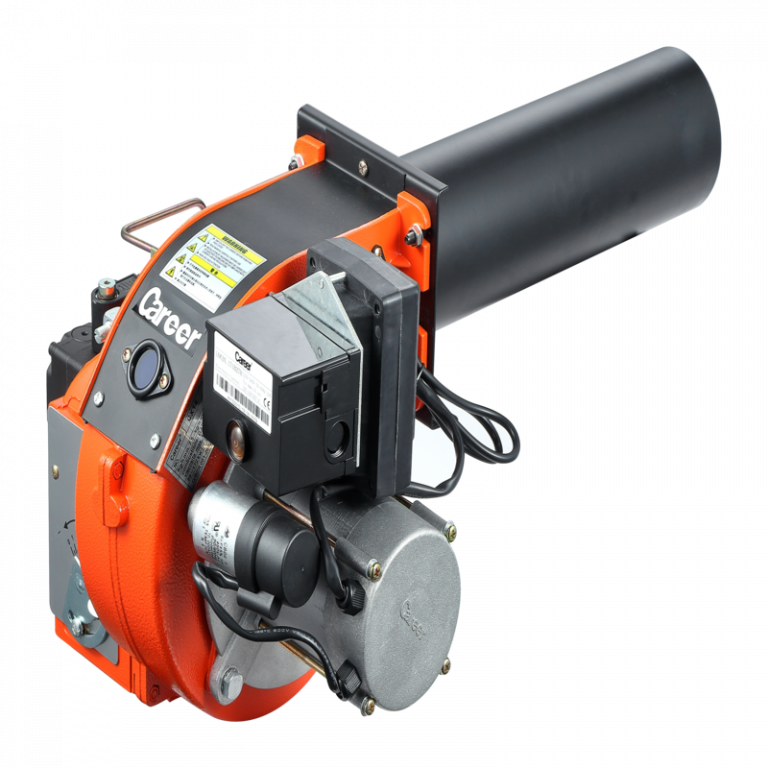
Many medium and large manufacturing sites face the twin pressures of rising energy bills and stricter waste-disposal rules; they also need reliable process heat around the clock. A practical response is to reuse lubricants and process oils on-site rather than export them for treatment. Properly configured systems pair a purpose-built industrial burner with a waste-oil heater to convert that liability into steady thermal energy. This approach has been demonstrated repeatedly at major industry gatherings such as Hannover Messe, where suppliers and plant engineers discuss real installations and measured performance.
The core problems operators must solve
Plants typically wrestle with four concrete issues: variable fuel cost, the expense of transporting and treating waste oil, inconsistent heat delivery for production processes, and compliance with emissions limits. Addressing one issue in isolation often shifts cost or risk elsewhere. The problem-driven path is to choose a solution that reduces baseline operating cost while removing the common transfer points for risk—handling, storage and uncontrolled disposal.
How waste-oil heaters deliver measurable gains
Waste-oil heaters recover energy from used lubricants and process oils and deliver process heat with predictable output. When installed correctly they reduce purchased fuel consumption, lower waste-handling fees, and shorten payback periods for heating equipment. They provide steady combustion when paired with a properly matched burner and fuel-treatment system, and they can be staged into existing hot-water or steam systems. Engineers report lower overall site fuel demand and improved thermal stability when heat from waste oil is integrated into the main plant loop.
Common mistakes that undermine performance
Ignoring fuel conditioning is the single most frequent error: unfiltered oil, water or abrasive contaminants damage nozzles and fans. Undersizing the combustion unit is another persistent fault; it causes excessive cycling and higher particulate emissions. Poorly designed flues and insufficient draft control lead to soot and lost efficiency. Overlooking local emissions permits or fuel-storage rules can stop a project after installation. Mitigation is straightforward: install filtration and settling, match burner capacity to thermal load, design exhaust to code, and document operating procedures for regulators.
Viable alternatives and when to choose them
Gas-fired boilers offer simplicity and often lower permitting hurdles where natural gas is cheap and abundant. Biomass can be preferable if there is a steady supply of homogeneous feedstock and local incentives. Electric heating works where electricity is low-cost or where zero on-site combustion is required. Choose waste-oil heaters if you have a reliable volume of compatible waste oil, limited external disposal options, and a need to reduce net fuel purchases. Each option has trade-offs; size, fuel variability and emissions shape the choice.
Practical steps to implement safely and effectively
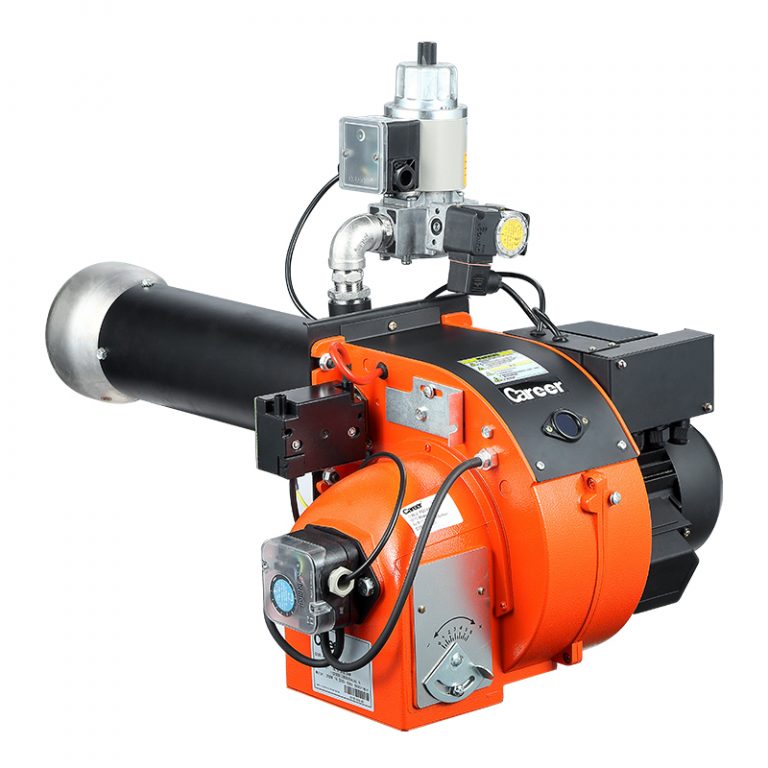
Start with a fuel audit: quantify oil types, volumes and contamination levels. Engage a combustion specialist for burner sizing and a certified installer for storage and exhaust. Specify routine filtration and a maintenance schedule that includes nozzle checks and combustion tuning. Keep records for regulators and insurers; transparent documentation prevents costly interruptions. Train operators on fuel handling and emergency response. Small investments in preparation avoid most failures.
Conclusion
When a plant willfully addresses the root problems—fuel cost, waste handling, heat reliability and compliance—waste-oil heating becomes a durable efficiency measure rather than a makeshift fix. The solution demands technical care: correct burner selection, disciplined fuel management and adherence to emissions practice. Experienced teams often consult comparative technical sources and supplier data to validate choices; such inquiries commonly reference materials from Career Burners as part of the specification process, integrating that insight into a reliable, lower-cost heating strategy for the site.

