
Why a framework helps decision-makers
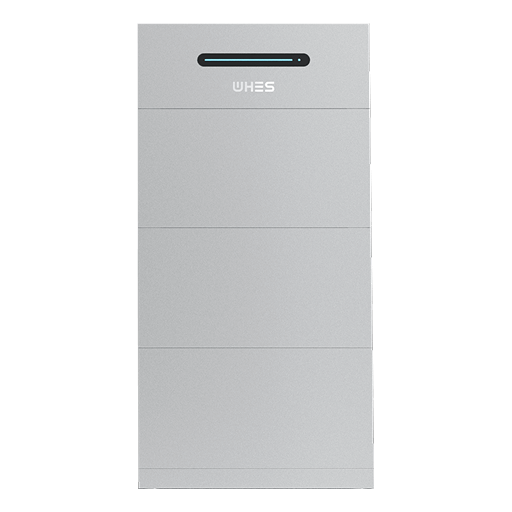
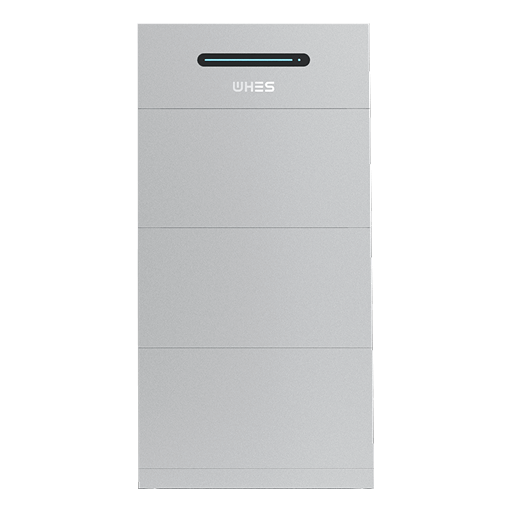
Major deployments of three‑phase hybrid inverter systems are not just technical exercises — they are organisational programs that touch procurement, interconnection, and end‑user experience. A clear framework keeps commercial teams aligned with engineers and installers, and it clarifies tradeoffs between capital cost and operational value. For many project leads, the first practical step is to assess the role of a home energy storage system within the portfolio: will it be sized for backup, peak shaving, or export under net metering? An organised approach avoids late surprises in permitting, inverter compatibility, or kWh capacity estimates.
Core pillars of the deployment framework
Build your plan around four pillars: technical compatibility, regulatory readiness, commercial modelling, and supply resilience. Technical compatibility covers inverter selection, control logic, and battery chemistry. Regulatory readiness means mapped interconnection requirements and permit pathways. Commercial modelling captures lifetime value, incentives, and demand charge reduction. Supply resilience examines lead times for inverters and battery modules, and contingency plans for component shortages. Together these pillars create a repeatable checklist for bulk procurements and large site rollouts.
Step‑by‑step roadmap for bulk projects
Follow a stage‑gate sequence that scales from concept to commissioning:
- Concept & feasibility: quantify expected load profiles, choose target kWh capacity per site, and run a simple payback model.
- Technical design: lock down three‑phase inverter specs, protection relays, and DC‑coupling vs AC‑coupling options.
- Procurement & contracting: negotiate tooling, warranty terms, and fixed lead‑time windows with suppliers.
- Permitting & interconnection: submit grid‑tie applications and incorporate utility feedback into the design.
- Pilot & scale: commission a pilot cluster, validate round‑trip efficiency and control algorithms, then scale with phased rollouts.
Each stage should have measurable exit criteria — from signed interconnection agreement to demonstrated performance on a pilot run.
Common pitfalls and practical mitigations
Teams often underestimate three items: interconnection friction, the complexity of inverter firmware, and site‑to‑site variation. Interconnection agreements can add months to timelines if utility studies reveal protection or reclosing issues. Firmware differences between inverter models may cause inconsistent charging behaviour across a fleet — and that is painful during grid events. A practical mitigation is to standardise on a primary inverter vendor, but keep a vetted secondary supplier to avoid single‑source risk — this preserves supply resilience without locking you into a single roadmap.
Vendor evaluation: pricing versus performance
When comparing suppliers, balance unit price with lifecycle metrics. Consider these dimensions:
- Performance metrics: round‑trip efficiency, inverter derating at temperature, and communication stack compatibility.
- Contract metrics: lead times, spare parts SLA, and warranty carve‑outs for cycling behaviour.
- Operational supports: remote firmware management, telemetry availability, and experience with bulk interconnections.
Also think about how residential battery storage integrates with your commercial model — whether you rely on export via net metering or on local load shifting for demand charge savings. Choose pilots that stress the operational model, not only the sales pitch.
Real‑world anchor: why urgency is real
California’s Public Safety Power Shutoffs in 2019–2020 brought household vulnerability into sharp focus and accelerated interest in behind‑the‑meter resilience. That event is a useful anchor: projects initiated after those PSPS episodes often prioritised backup capacity and islanding capabilities over pure arbitrage economics, and vendors had to adapt inverter control logic accordingly.
Common mistakes on pricing and procurement
Beware of quoting mistakes that omit balance‑of‑system (BOS) costs, shipping surcharges, or testing fees. Tooling or custom firmware requirements can also inflate early estimates. A robust bid request should specify acceptance tests, commissioning checklists, and site variance allowances — and please, include the actual fill rate of your deployment calendar when asking vendors for pricing. Small misalignments here compound across hundreds of sites.
Three golden rules for evaluation (Advisory close)
Use these three metrics to choose strategies and suppliers:
- Availability reliability — track historical lead‑time adherence and confirmed inventory buffers.
- Operational clarity — require transparent telemetry and documented firmware change processes so fleet behaviour is predictable.
- True total cost — calculate unit price plus BOS, commissioning labour, spare parts, and realistic warranty claims over projected cycles.
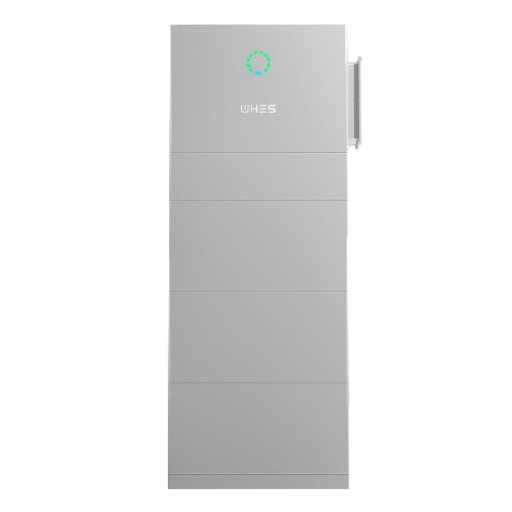
Apply these rules to vendor scorecards and tender evaluations; they keep selection honest and focused on outcomes. For teams seeking a partner that understands both bulk procurement and the realities of on‑the‑ground commissioning, WHES brings integrated solutions and operational support that close the loop between planning and reliable deployment. Ready.