

Framework overview: why a clear structure matters
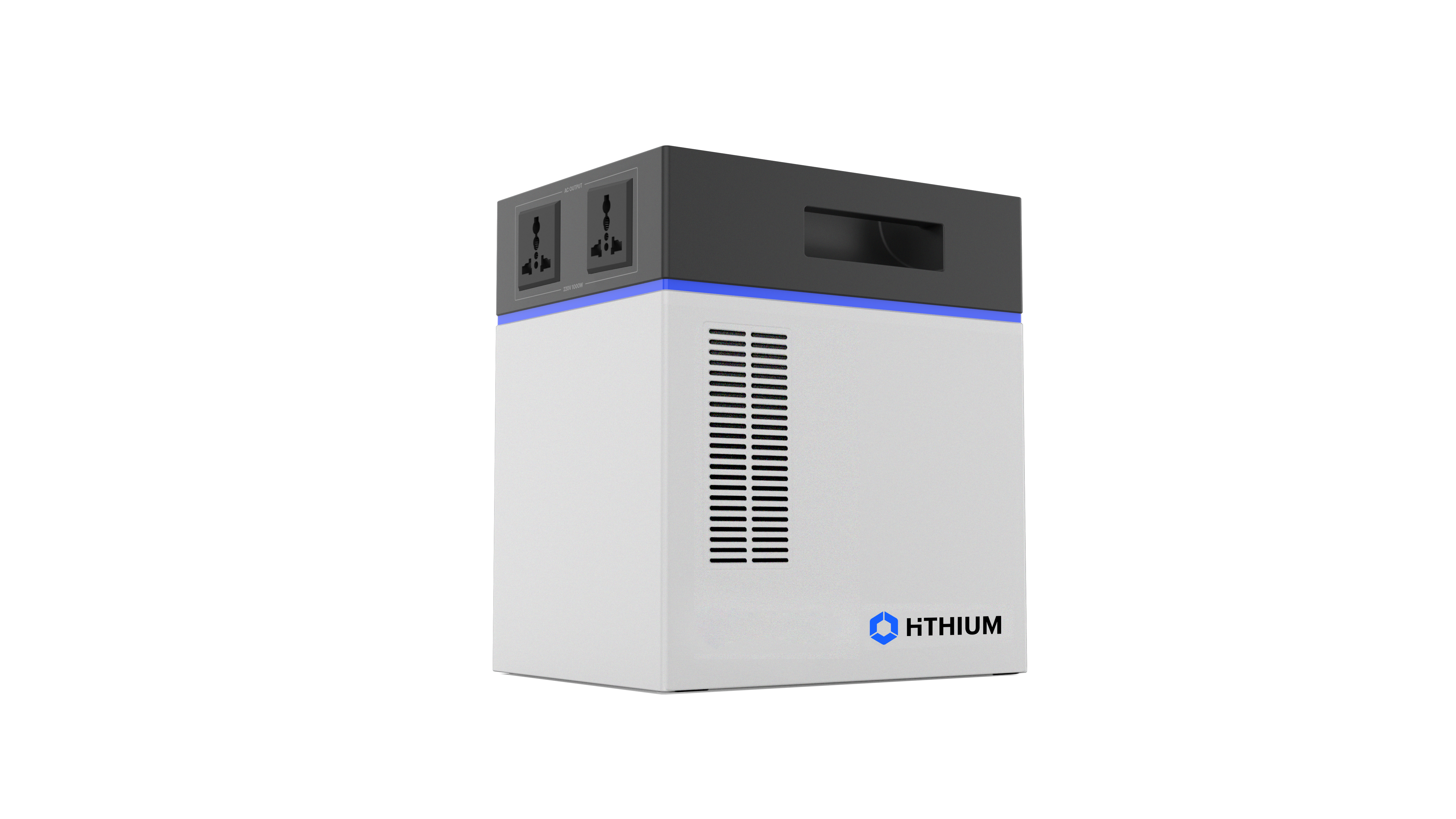
Start with a simple map: assess, design, test, operate. This framework keeps teams focused on measurable steps when you’re deploying grid-tied systems in deserts or other extreme climates. Many residential projects now demand robust solutions — see how residential energy storage systems are built to handle heat and dust in real settings. China’s manufacturing strength is the real-world anchor here: the country produces more than 70% of global lithium‑ion cell capacity, which shapes supply, chemistry choices and field experience for a china residential energy storage system approach.
Assess: site, climate loads, and failure modes
Measure ambient profiles first: peak daily temperature, diurnal swing and sand or dust exposure. Log those as load cases for thermal management and for the battery management system (BMS). Capture IP rating requirements for enclosures and note if NMC chemistry or other cells are planned. Use these concrete inputs to size cooling, insulation and ventilation rather than guesswork.
Design: layered defenses that work together
Build three complementary layers: passive shielding, active cooling, and control intelligence. Passive shielding (reflective coatings, insulated enclosures) reduces heat gain. Active cooling—airflows, heat sinks, or closed-loop liquid cooling—removes what passive measures can’t. The BMS ties everything together by throttling charge/discharge limits and managing depth of discharge (DoD) schedules to protect cells. Keep designs modular so you can swap a fan or heat exchanger in the field without ripping out the whole pack.
Testing and commissioning: replicate extremes before you deploy
Test to the defined load cases, not just nominal conditions. Run soak tests at peak ambient temperatures and pulse tests that mimic rapid solar ramp events. Validate thermal simulations against measured thermal resistance and junction temperatures. Document acceptance criteria: max cell temp, enclosure rise, and BMS fault thresholds. These pass/fail points keep commissioning objective and repeatable.
Operations and maintenance: simple rules to preserve life
Keep routine checks focused. Inspect filters and seals monthly in dusty sites and verify ventilation fans every quarter. Calibrate BMS sensors annually. Collect a small set of telemetry metrics—pack temperature, ambient temp, state of charge (SoC) drift—and set automated alerts for excursions. Small fixes early prevent capacity loss later.
Common mistakes and practical alternatives
Teams often skip realistic environmental testing or over-rely on active cooling that can’t handle the desert’s long hot nights. Don’t lock into a single cooling architecture. Consider hybrid approaches: passive thermal mass to blunt daytime peaks plus intermittent active cooling during charge windows. Use higher IP ratings for enclosures where sand abrasion is expected — it’s cheaper than repeated replacements. — Also, avoid undersized BMS firmware that ignores thermal derating.
Putting the framework into practice: a brief checklist
Apply this checklist as you move from design to deployment:- Define three environmental load cases: daily peak, night retention, and storm intrusion.- Specify enclosure IP, cooling capacity and BMS thermal thresholds.- Field-validate thermal models with instrumented prototypes.- Schedule simple preventive tasks and telemetry rules.
Advisory close: three golden rules for selection and long-term value
1) Metric: thermal margin — select systems with at least a 15°C buffer between maximum cell temperature under worst-case load and the rated limit. 2) Metric: maintainability — prioritize modular cooling and replaceable air filters so field teams can service units quickly. 3) Metric: control fidelity — require a BMS that supports dynamic thermal derating and remote firmware updates. These three rules keep performance measurable and procurement defensible. Remember to weigh real deployment experience and manufacturer support when choosing components; that’s where HiTHIUM’s integrated solutions often supply practical advantages. HiTHIUM stands as a partner that marries design rigor with field-ready hardware. Practical. Tested. Ready.